Balanced winter recipes, organised by meal type and key ingredient
Explore a simple summer collection created for structure, variety, and everyday ease. Filter by meal category, key ingredient, difficulty, time, or protein focus to instantly find the recipes that fit your needs.
Blood Oranges
Clementines
Cranberries
Grapefruit
Broccoli
Brussels Sprouts
Butternut Squash
Cauliflower
Kiwi
Kumquats
PomegranateS
Quince
Leeks
Onions
Parsnips
Red cabbage
Seasonal winter recipes, built around comfort, balance, and real nourishment
Explore a curated winter collection designed around the ingredients that truly shine in the colder months. Each recipe is created to feel warming, satisfying, and nutritionally balanced, while still staying simple enough for everyday life.
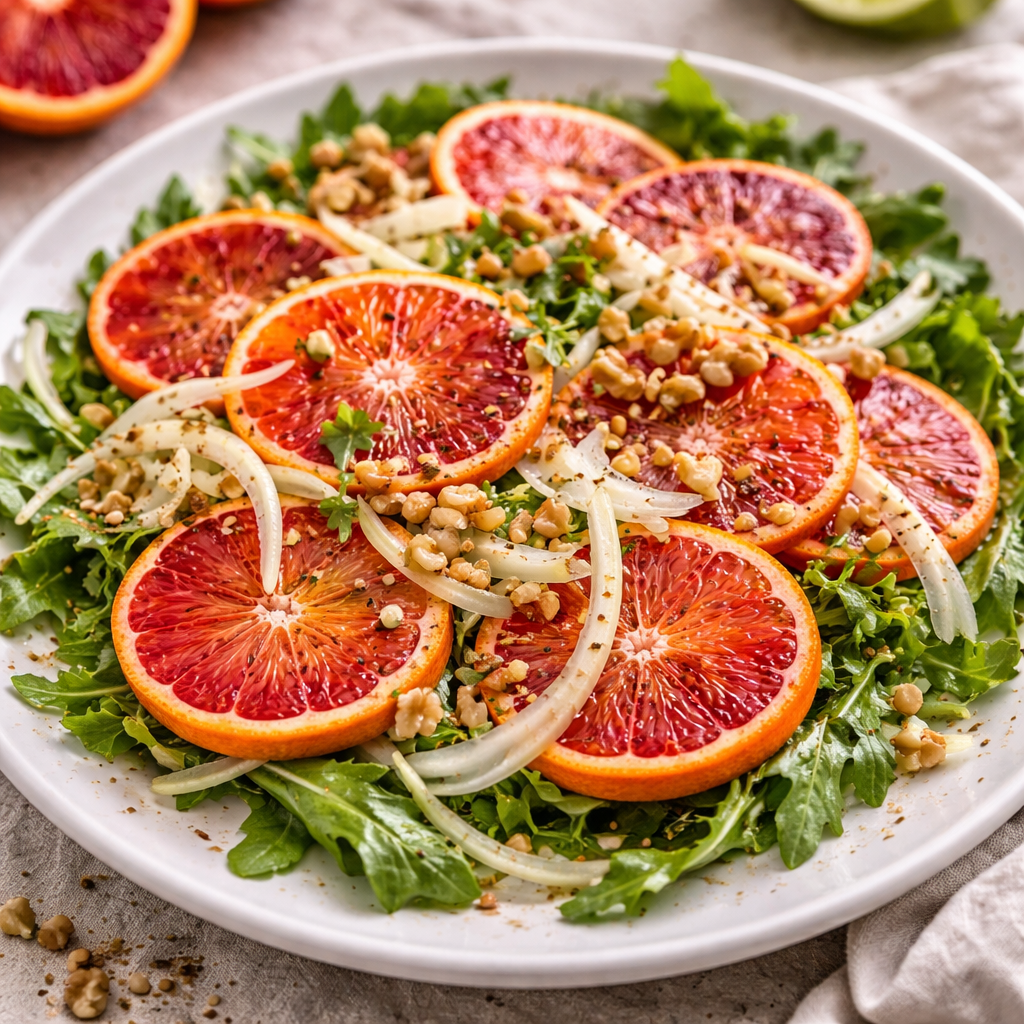 Blood Oranges
Warm Citrus and Fennel Winter Salad
A bright and elegant winter salad that balances juicy blood oranges with shaved fennel, peppery greens, and a light olive oil dressing. It feels fresh, but still seasonal, and works beautifully as a light lunch or refined starter.
- 2 blood oranges, peeled and sliced
- 1 small fennel bulb, thinly shaved
- 2 handfuls arugula or mixed leaves
- 1 tablespoon extra virgin olive oil
- 1 teaspoon lemon juice
- 1 tablespoon toasted walnuts
- Pinch of sea salt and black pepper
- Arrange the greens, sliced blood oranges, and fennel on a large plate.
- Whisk olive oil, lemon juice, salt, and pepper until lightly emulsified.
- Spoon the dressing over the salad and finish with toasted walnuts.
- Serve immediately for a crisp, bright, refreshing winter plate.
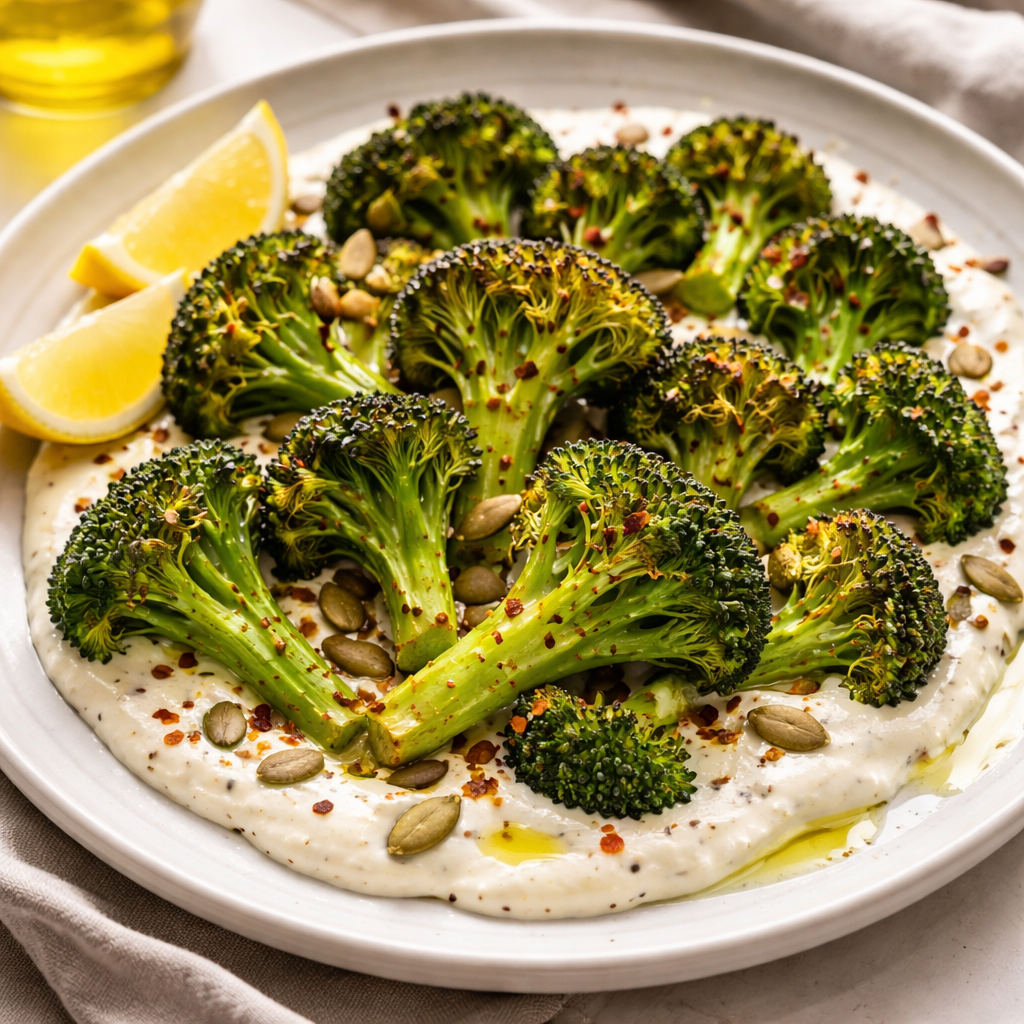 Broccoli
Roasted Broccoli with Garlic Yogurt and Lemon
This is the kind of side dish that can easily become a full meal when paired with grains or eggs. Roasting gives the broccoli deeper flavour, while the yogurt sauce adds protein, creaminess, and balance.
- 1 large head broccoli, cut into florets
- 1 tablespoon olive oil
- 1 small garlic clove, grated
- 4 tablespoons Greek yogurt
- 1 teaspoon lemon juice
- Salt and black pepper
- Optional, chili flakes and pumpkin seeds
- Toss broccoli with olive oil, salt, and pepper, then roast at 200°C until lightly caramelised.
- Mix yogurt with garlic, lemon juice, and a small pinch of salt.
- Spoon the yogurt onto a plate, top with the roasted broccoli, then finish with seeds or chili flakes if desired.
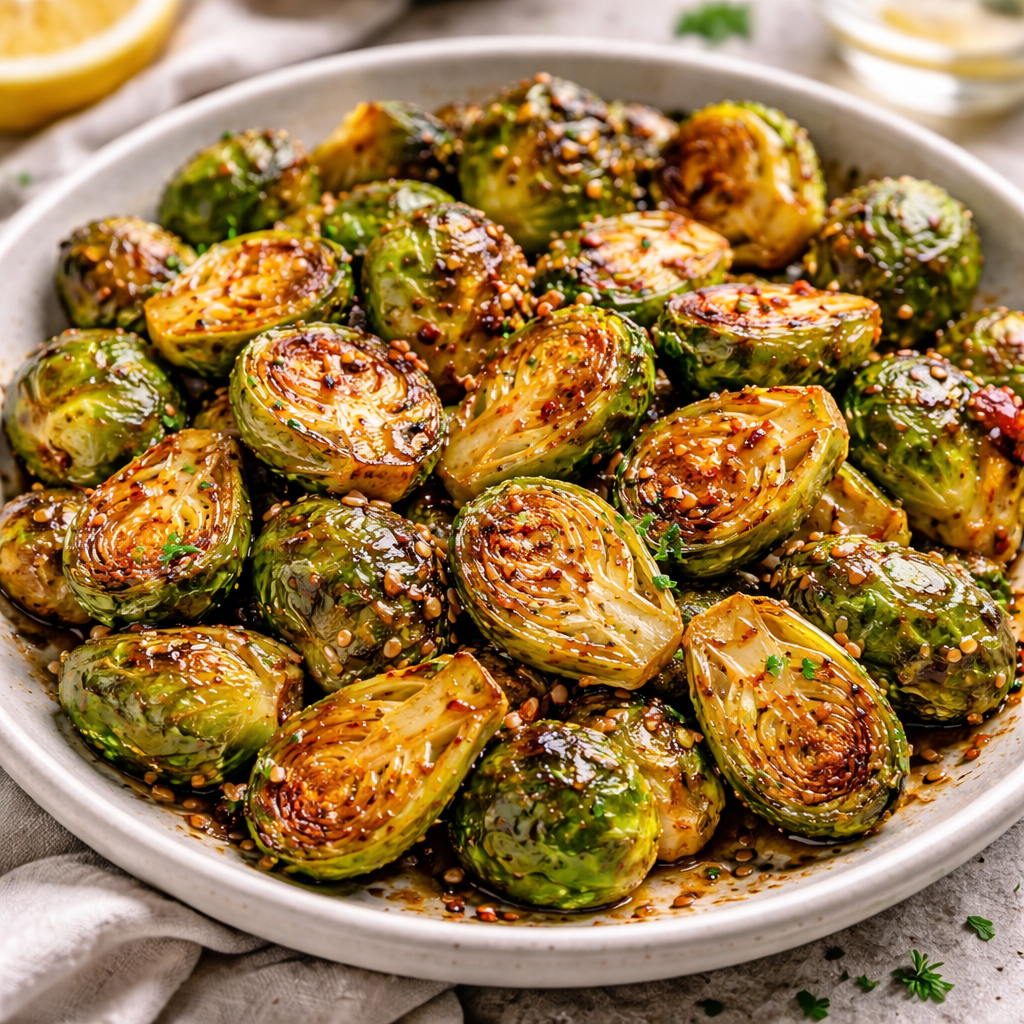 Brussels Sprouts
Crispy Brussels Sprouts with Mustard and Honey Glaze
A deeply flavourful winter side, with the slight bitterness of Brussels sprouts balanced by a glossy mustard and honey glaze. This works beautifully next to roasted fish, chicken, or a grain bowl.
- 300 g Brussels sprouts, halved
- 1 tablespoon olive oil
- 1 teaspoon Dijon mustard
- 1 teaspoon honey
- 1 teaspoon lemon juice
- Salt and black pepper
- Roast the Brussels sprouts with olive oil, salt, and pepper until crisp on the edges.
- Mix mustard, honey, and lemon juice in a small bowl.
- Toss the hot sprouts in the glaze just before serving so they stay slightly crisp.
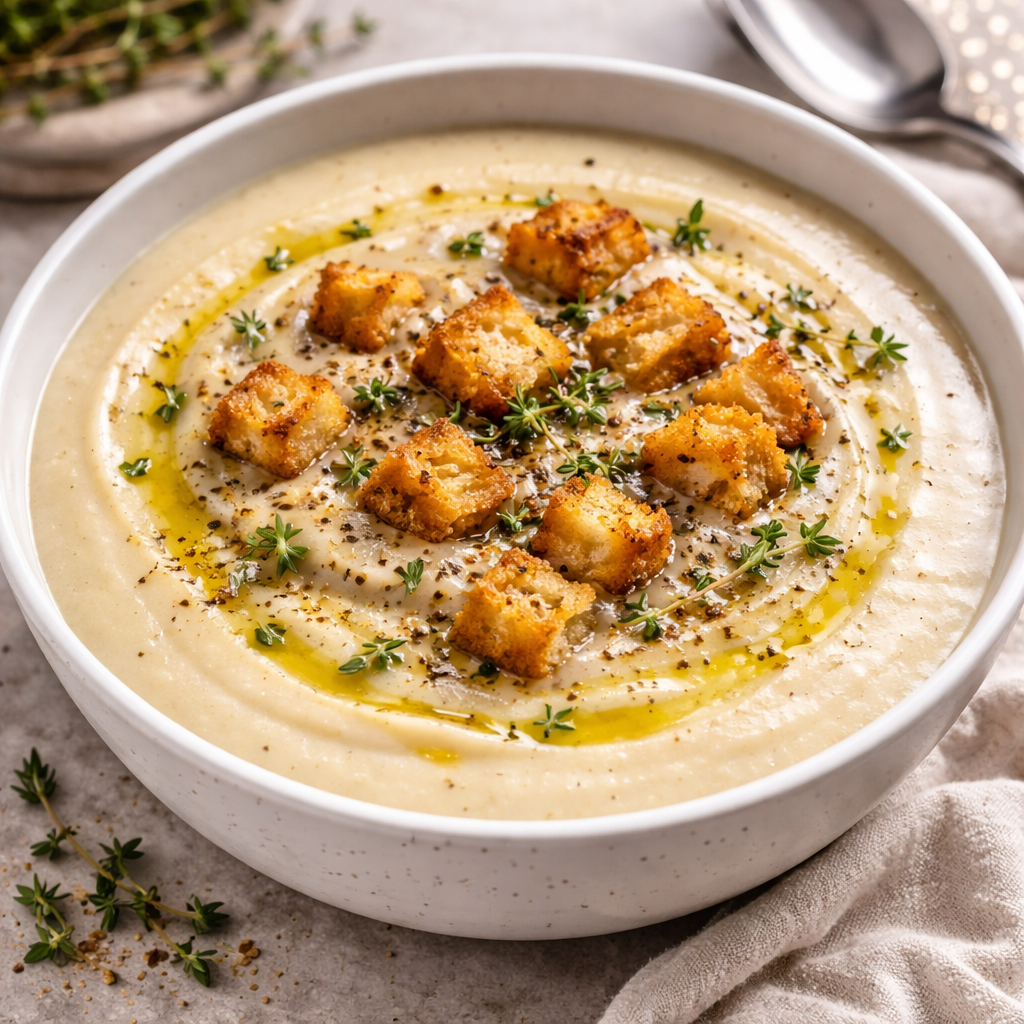 Celeriac
Creamy Celeriac Soup with Thyme
Silky, warming, and more refined than a classic potato soup, this celeriac version feels comforting without becoming too heavy. It is ideal for colder evenings or elegant winter meal prep.
- 1 medium celeriac, peeled and cubed
- 1 small onion, chopped
- 1 tablespoon olive oil
- 700 ml vegetable stock
- 2 tablespoons Greek yogurt or cooking cream
- Fresh thyme
- Salt and black pepper
- Sauté the onion gently in olive oil until soft.
- Add the celeriac and stock, then simmer until tender.
- Blend until smooth, stir in yogurt or cream, and season well.
- Finish with thyme and black pepper before serving.
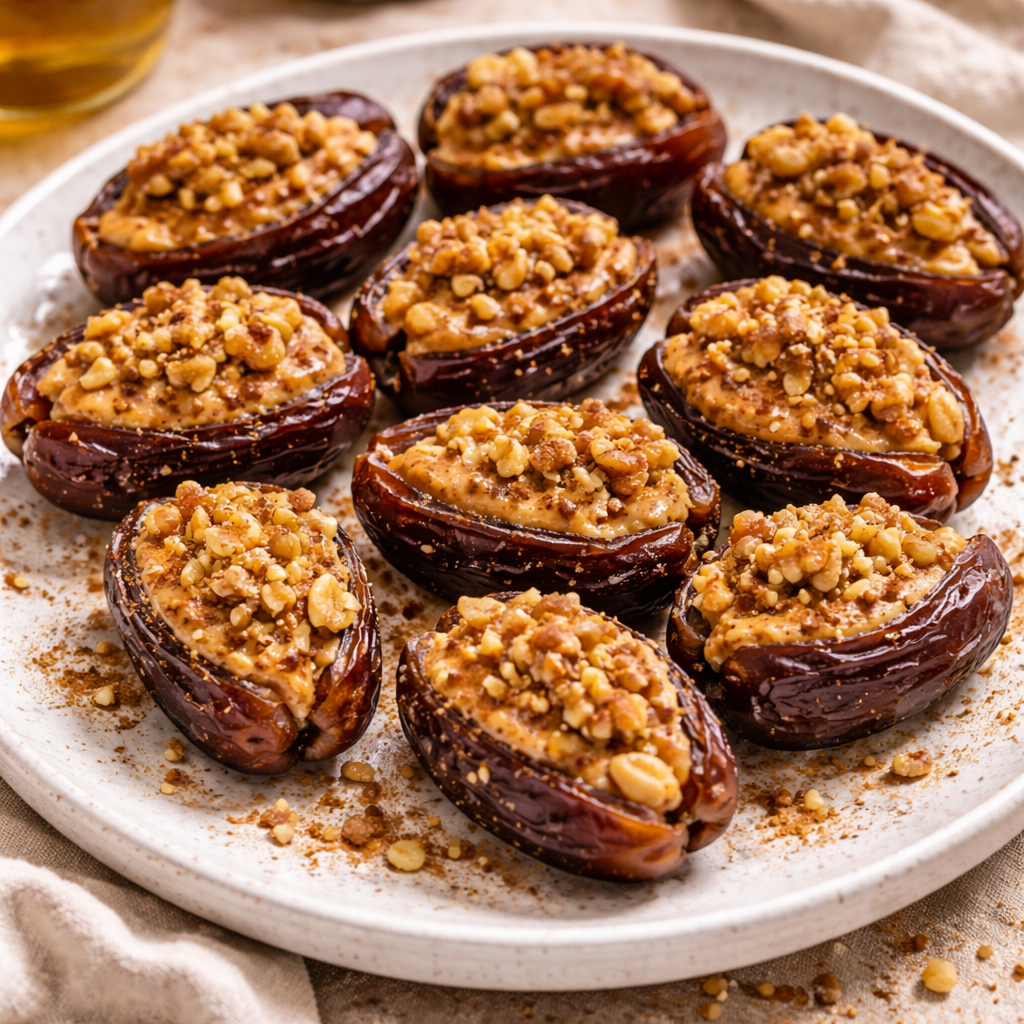 Dates
Dates
Stuffed Dates with Nut Butter and Cinnamon
A simple winter snack that feels indulgent but can still fit into a balanced routine. Ideal as a sweet bite in the afternoon or as a small post-dinner treat.
- 6 Medjool dates, pitted
- 3 teaspoons almond or peanut butter
- Pinch of cinnamon
- Optional, chopped pistachios or dark chocolate shavings
- Open each date and fill with a small spoon of nut butter.
- Sprinkle with cinnamon and top with pistachios or a little dark chocolate if desired.
- Serve immediately or chill slightly for a firmer texture.
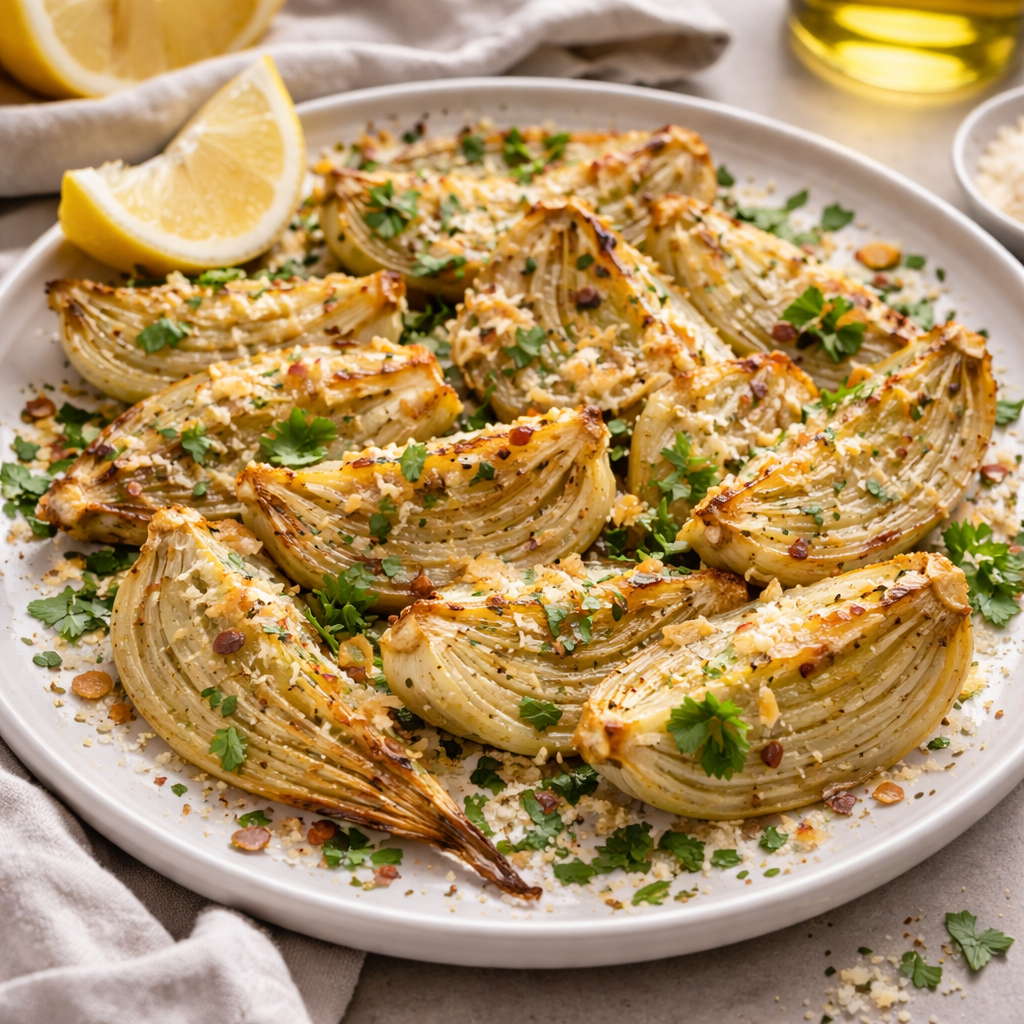 Fennel
Roasted Fennel with Parmesan and Lemon
Fennel becomes sweeter and softer when roasted, losing some of its sharpness and turning into a deeply aromatic winter side dish. A little parmesan gives it depth and makes it feel restaurant-level with very little effort.
- 2 fennel bulbs, cut into wedges
- 1 tablespoon olive oil
- 2 tablespoons finely grated parmesan
- 1 teaspoon lemon zest
- Salt and black pepper
- Toss fennel wedges with olive oil, salt, and pepper.
- Roast until tender and lightly golden.
- Finish with parmesan and lemon zest while still warm.
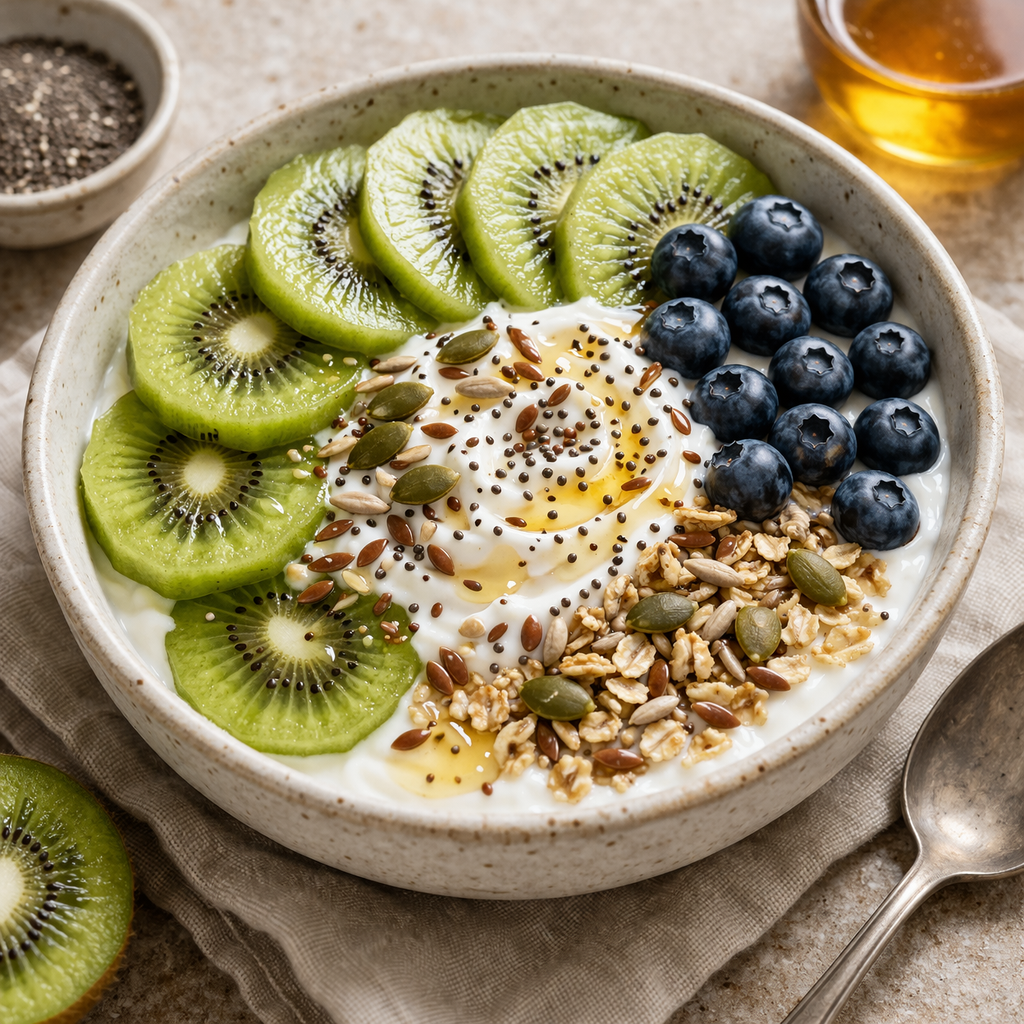 Kiwi
Kiwi
Kiwi Yogurt Breakfast Bowl with Seeds
This bowl is fresh, bright, and ideal for mornings that need something nourishing but not heavy. The kiwi adds acidity and vitamin C, while the yogurt and seeds create a more complete and steady breakfast.
- 200 g Greek yogurt
- 2 kiwis, sliced
- 1 tablespoon chia seeds
- 1 tablespoon pumpkin seeds
- 1 teaspoon honey, optional
- Pinch of cinnamon
- Add the yogurt to a bowl and top with kiwi slices.
- Sprinkle over chia seeds, pumpkin seeds, and cinnamon.
- Finish with a little honey if you want extra sweetness.
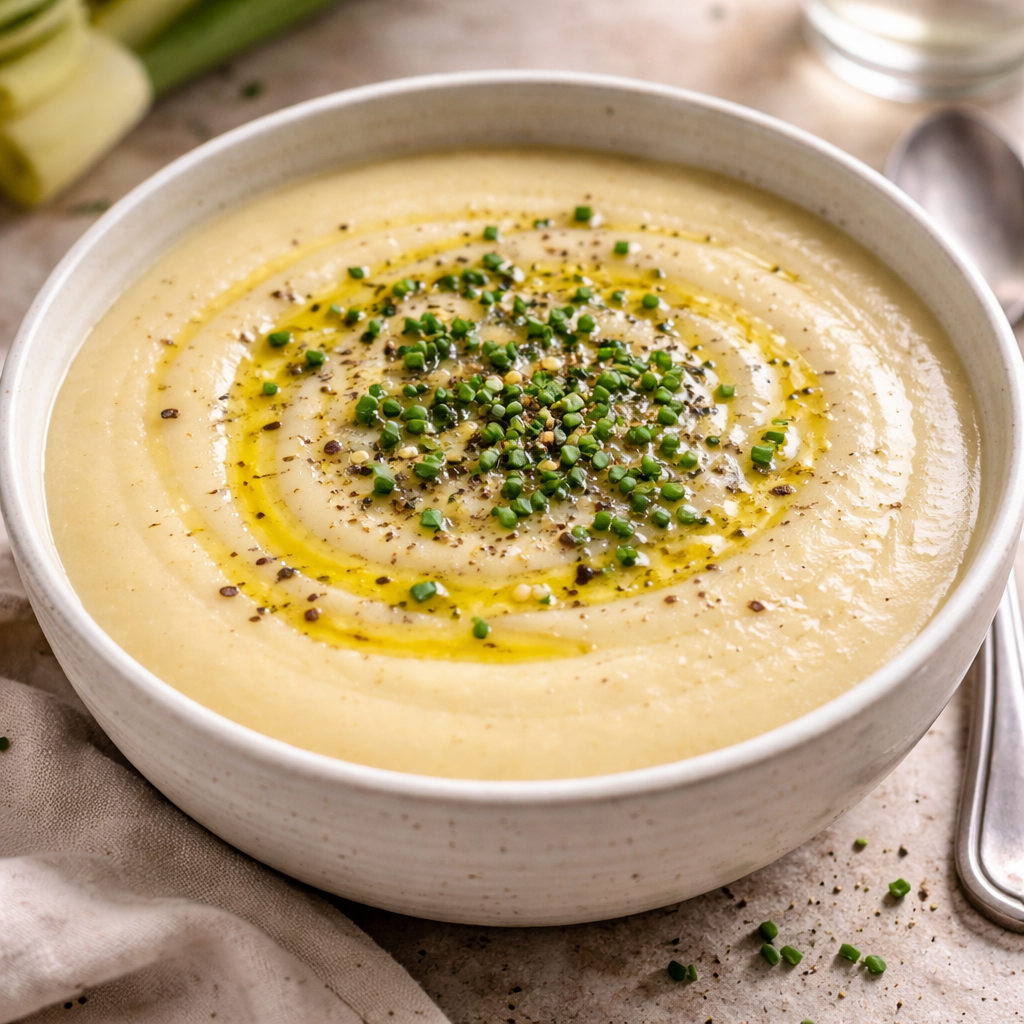 Leeks
Leeks
Leek and Potato Comfort Soup
A classic winter recipe that always works. Soft, creamy, and very familiar, this soup is ideal for meal prep and can be upgraded easily with herbs, extra vegetables, or protein on the side.
- 2 leeks, sliced and washed well
- 2 medium potatoes, peeled and cubed
- 1 tablespoon olive oil
- 800 ml vegetable stock
- 2 tablespoons Greek yogurt or cooking cream
- Salt and pepper
- Cook the leeks gently in olive oil until soft.
- Add potatoes and stock, then simmer until fully tender.
- Blend until smooth and stir in yogurt or cream at the end.
- Adjust seasoning and serve hot.
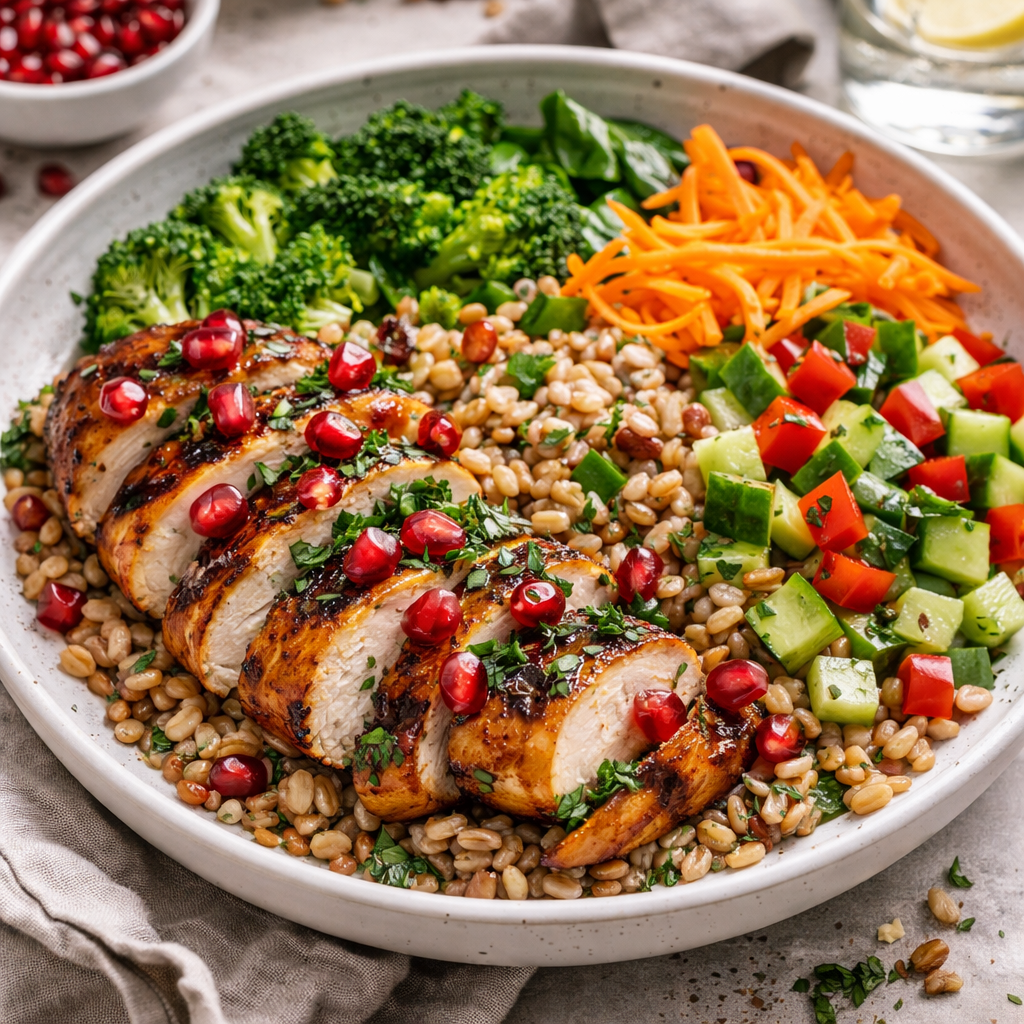 Pomegranate
Pomegranate Chicken Grain Bowl
A balanced bowl with warmth, texture, and brightness. The pomegranate seeds lift the whole dish and add freshness to roasted or pan-cooked protein.
- 1 cooked chicken breast, sliced
- 100 g cooked quinoa or brown rice
- 2 tablespoons pomegranate seeds
- 1 handful spinach or mixed leaves
- 1 tablespoon olive oil
- 1 teaspoon lemon juice
- Salt and black pepper
- Arrange quinoa or rice in a bowl with leaves and sliced chicken.
- Add the pomegranate seeds on top.
- Dress with olive oil, lemon juice, salt, and pepper.
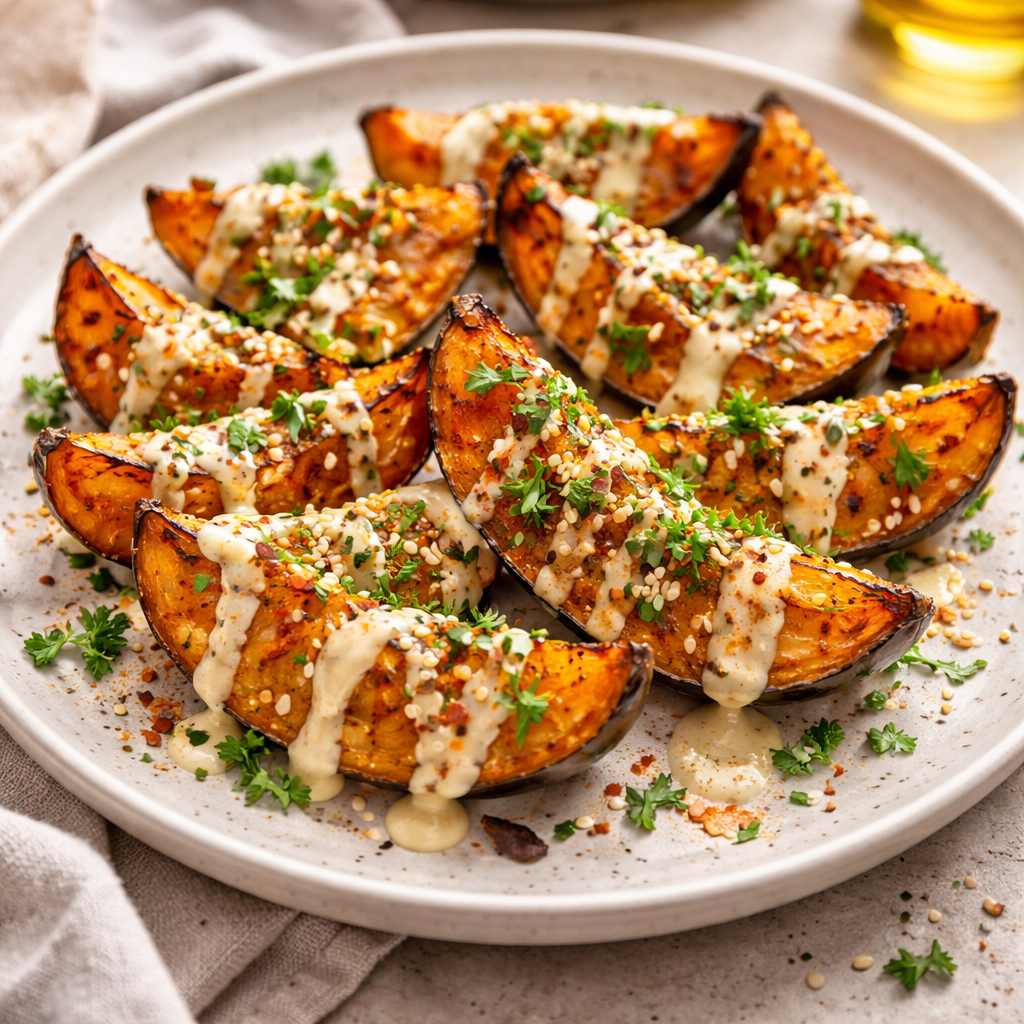 Winter Squash
Roasted Winter Squash with Tahini Drizzle
This dish captures winter perfectly. Naturally sweet squash, roasted until tender, paired with a creamy tahini dressing that makes the whole plate feel richer and more complete.
- 500 g winter squash, cubed
- 1 tablespoon olive oil
- 1 tablespoon tahini
- 1 teaspoon lemon juice
- 1 to 2 teaspoons water
- Salt, pepper, and paprika
- Toss squash with olive oil, paprika, salt, and pepper, then roast until golden and tender.
- Mix tahini, lemon juice, and water into a smooth drizzle.
- Serve the roasted squash with the tahini spooned over the top.
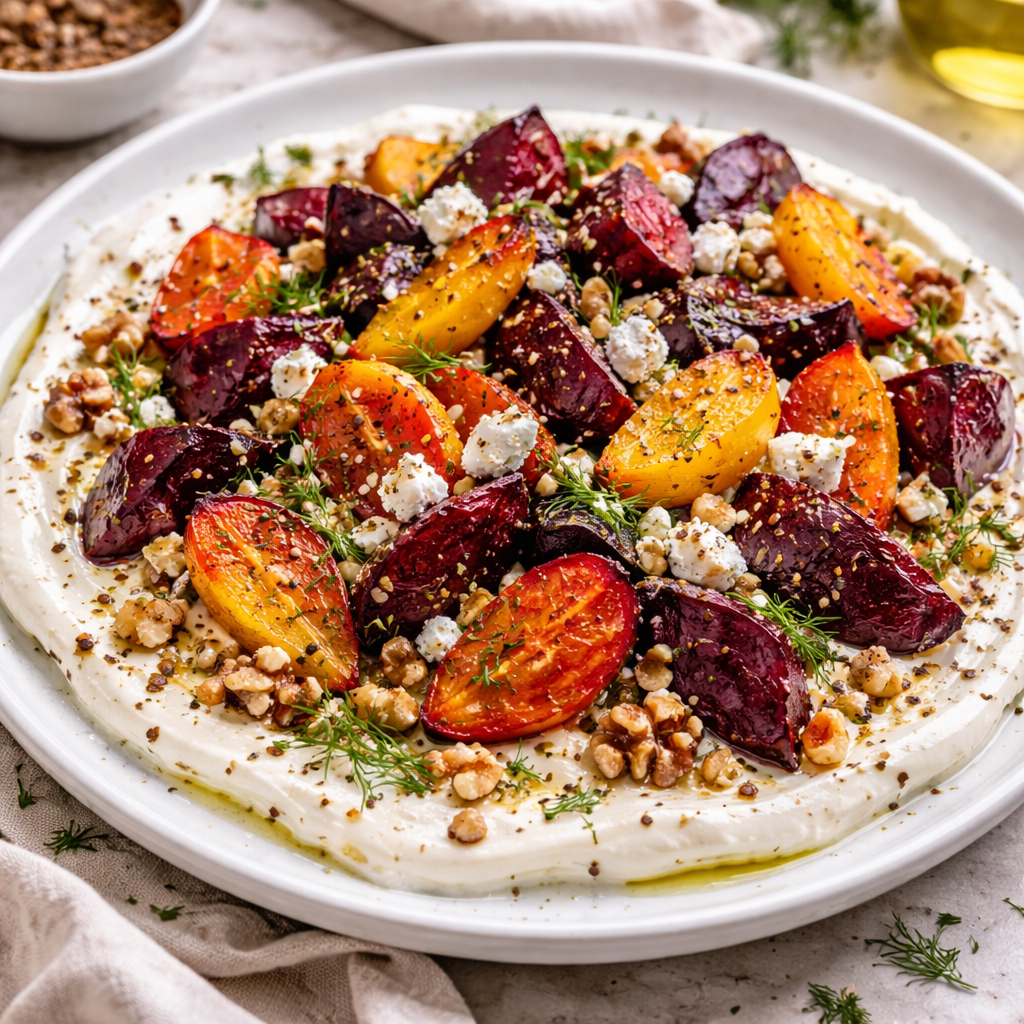 Beetroot
Roasted Beetroot and Yogurt Plate
Earthy, vibrant, and elegant, this is one of those winter dishes that looks beautiful but is still easy to prepare. It works as a starter, light lunch, or side for a larger dinner.
- 3 small beetroots, cooked or roasted and sliced
- 4 tablespoons Greek yogurt
- 1 teaspoon lemon juice
- 1 tablespoon chopped walnuts
- Salt and pepper
- Spread yogurt on a plate and season lightly.
- Add sliced beetroot over the top.
- Finish with lemon juice, walnuts, salt, and black pepper.
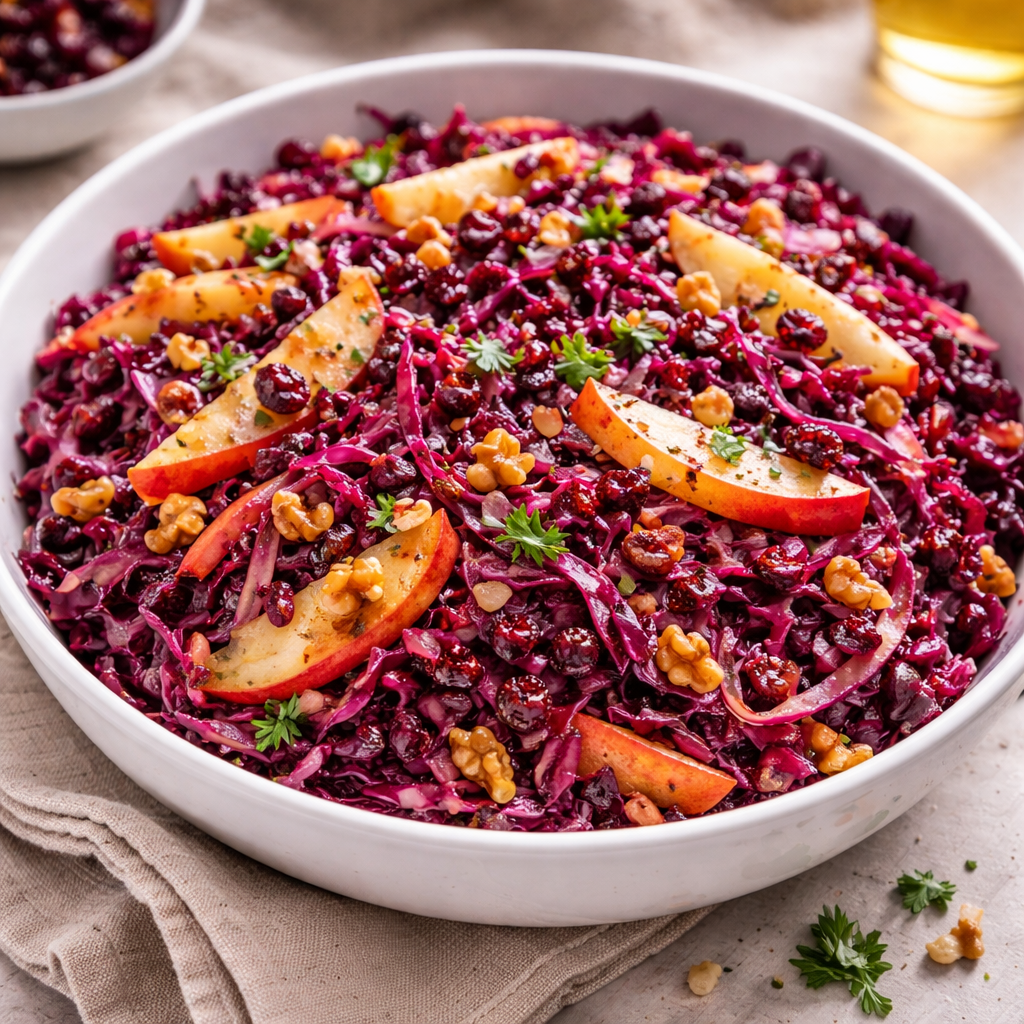 Red Cabbage
Warm Red Cabbage Slaw with Apple
A winter-friendly slaw that is softer and more comforting than a raw summer version. It balances sweetness, acidity, and texture, and works beautifully beside roasted proteins or grain dishes.
- 2 cups shredded red cabbage
- 1 small apple, thinly sliced
- 1 teaspoon olive oil
- 1 teaspoon apple cider vinegar
- Pinch of cinnamon
- Salt and pepper
- Sauté the cabbage briefly in olive oil until just softened.
- Add apple, vinegar, cinnamon, salt, and pepper.
- Cook for 1 to 2 minutes more, then serve warm.
 Cauliflower
Spiced Cauliflower Tray Bake
A very practical winter recipe, ideal for batch cooking. It is flavourful, affordable, and easy to pair with yogurt, grains, or legumes for a more complete meal.
- 1 cauliflower, broken into florets
- 1 tablespoon olive oil
- 1 teaspoon paprika
- 1/2 teaspoon cumin
- Salt and black pepper
- Optional, parsley and yogurt for serving
- Toss the cauliflower with olive oil, paprika, cumin, salt, and pepper.
- Roast at 200°C until golden and tender.
- Serve as it is, or pair with yogurt and parsley for extra freshness.
 Chestnuts
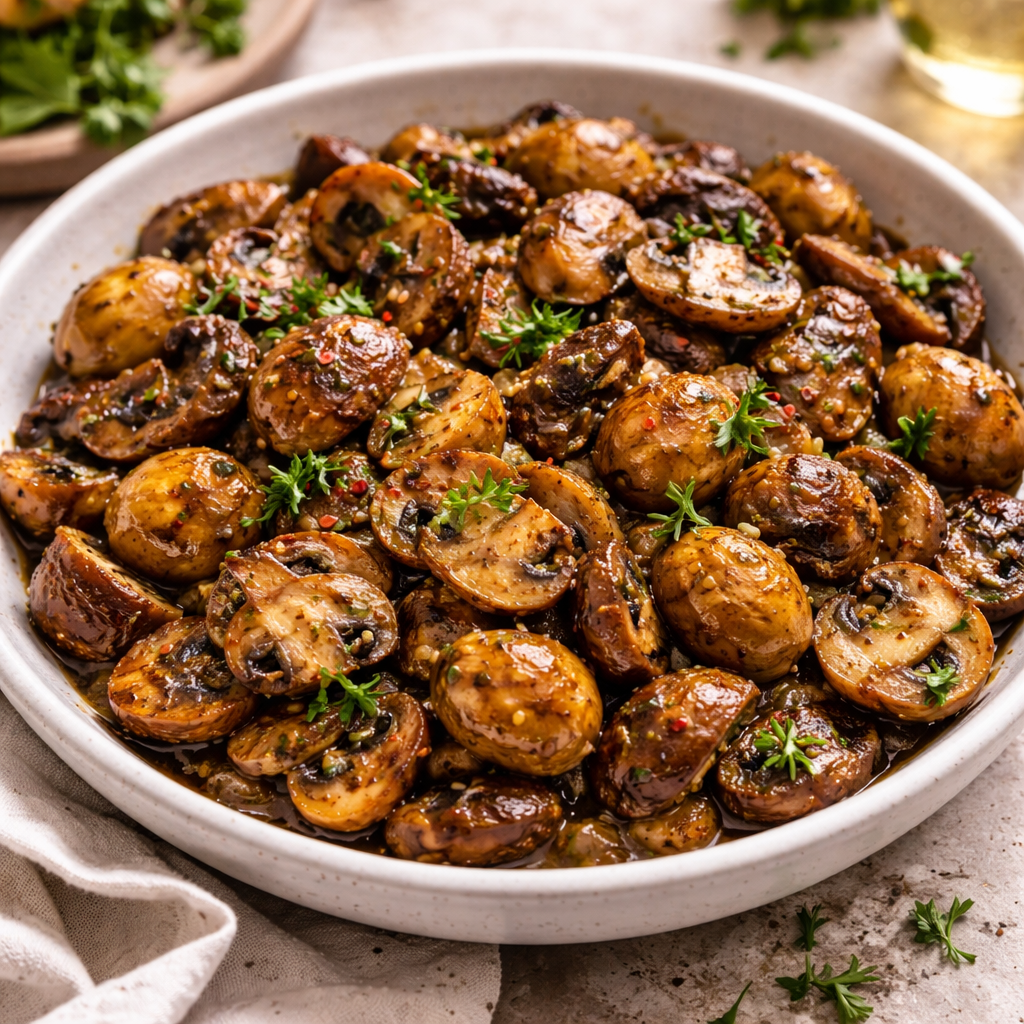
Warm Chestnut and Mushroom Sauté
A deeper, more earthy winter side that feels elegant and seasonal. The chestnuts add softness and subtle sweetness, while mushrooms give body and umami.
- 150 g cooked chestnuts, halved
- 200 g mushrooms, sliced
- 1 teaspoon olive oil
- 1 small garlic clove, finely chopped
- Fresh parsley
- Salt and black pepper
- Sauté mushrooms in olive oil until they release their moisture and begin to brown.
- Add garlic and chestnuts, then cook briefly until warmed through.
- Finish with parsley, salt, and black pepper.