
lesson 1
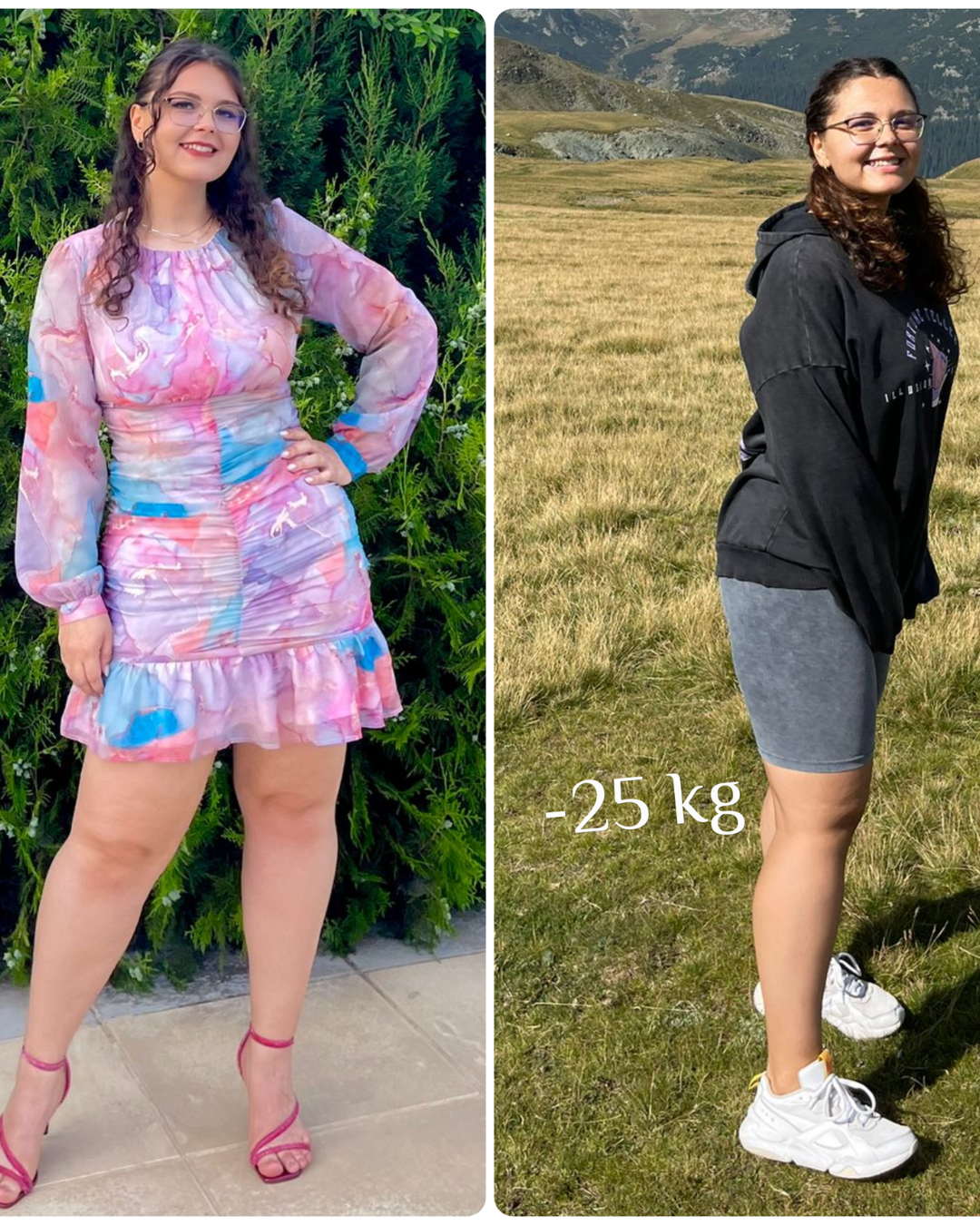
What a Properly Structured Workout Means for Fat Loss, Body Recomposition, and Muscle Growth
A properly structured workout is more than just a random list of exercises or a mix of popular movements seen online. From a professional perspective, an effective training program is built around a person’s goal, training level, work capacity, movement history, and real recovery ability. The body responds to training stimuli through adaptation, and that adaptation happens when the effort is well dosed enough to create progress without exceeding the body’s actual resources.
When training is well structured, the body responds more clearly, progress becomes easier to track, and results appear in a more stable and healthier way. A balanced, well-shaped body is not built through chaos, but through structure, consistency, and the right choices.
You may also have gone through phases where you trained consistently, did cardio, tried different classes, or followed workouts you found online, yet still did not see the changes you expected in fat loss, body recomposition, or toning. In many cases, the problem is not a lack of motivation, but the lack of a structure that truly fits your body and your actual goal.
In this article, I will explain what a properly structured workout really means and why this difference matters when you want to lose fat, reshape your body, or build muscle in a balanced way.
What a Properly Structured Workout Really Means
A properly structured workout is a logically organized program in which the exercises, intensity, volume, and frequency are chosen according to the individual’s goal. This means that a fat-loss program will not look identical to a muscle-building program, and a body recomposition plan must intelligently combine strength training, movement control, and properly dosed cardiovascular effort.
At the foundation of every well-built program is individualization. Not every workout is right for everyone, and not every method produces the same results in different people. Two women may share the same general goal, such as fat loss or toning, but still have completely different needs depending on their posture, training experience, body composition, stress level, and recovery capacity.
That is why a good workout does not begin with the question, “What exercises should I do today?” It begins with the question, “What does my body need right now?” That is where the difference appears between a random program and one that truly creates transformation.
Why Workout Structure Matters for Fat Loss, Body Recomposition, and Muscle Growth
For fat loss, a well-structured workout helps increase energy expenditure, preserve muscle mass, and support metabolism. When you lose weight without enough muscular stimulus, the body may lose firmness and tone, not just body fat. That is exactly why training for fat loss is not just about cardio, but also about properly dosed strength work.
For body recomposition, the role of training becomes even clearer. Recomposition means changing the shape of the body, and that change comes from combining fat reduction with better muscular tone. A firmer, more proportioned, and more harmonious body does not come only from losing weight, but from applying the right stimulus to the muscles.
For muscle growth, workout structure is essential. Hypertrophy depends on the quality of the stimulus, exercise selection, proper volume and intensity, and sufficient recovery. Muscle does not grow just because you trained “hard,” but because it received a clear, repeated stimulus that was well integrated into a coherent plan.
A good program does not mean more random effort. It means directed effort. And clarity in training shortens the distance between work and results.
Why Many Women Feel Like They Train a Lot, Yet Results Still Come Slowly
Many women feel they are putting in effort, but their body is not changing the way they want it to. You may also have felt that you were working hard without really knowing whether your training was taking you toward fat loss, body recomposition, or just fatigue. You may have had phases when you went to the gym often, but without a clear direction or a real understanding of why some methods work and others do not.
In practice, one of the most common problems is the lack of structure. Some people do too much cardio and too little strength training. Others constantly change their exercises and never give the body enough time to progress. Others train chaotically, without taking recovery, execution, or training phase into account. When the body does not receive the right stimulus, results are delayed even when the intention is good.
It is very possible that you do not need more ambition, but more clarity. Sometimes, the difference between stagnation and progress lies in a properly structured program, not in greater effort.
What Elements a Well-Structured Workout Should Include
An effective workout begins with a clear goal. Fat loss, body recomposition, and muscle growth are different directions, even though they can overlap in some areas. When the goal is clear, exercise selection becomes more logical and the structure of the session starts to make sense.
A well-built session starts with a preparation phase. The body needs joint mobilization, muscle activation, and gradual preparation for effort. A properly done warm-up improves the quality of execution and prepares the body for the main part of the workout.
The main part must include the most important exercises for the goal being pursued. For fat loss and body recomposition, strength training plays a central role because it supports muscle mass and influences body shape. For muscle growth, priority shifts toward choosing foundational exercises, using enough training volume, and controlling time under tension.
The relationship between volume, intensity, and recovery also matters greatly. A workout that is too easy does not create enough stimulus. A workout that is too hard and too frequent can lead to stagnation, fatigue, or even regression. Real progress appears when the training load is well dosed and followed by proper recovery.
Execution quality is just as important as the overall structure. From a biomechanical perspective, good movement means alignment, control, proper rhythm, and correct use of the involved body segments. A person can do many repetitions and still not train effectively if their body position is wrong or if certain areas constantly compensate.
Another essential element is progression. The body adapts to what it does repeatedly, and if the stimulus always stays the same, progress stops. Progression can mean heavier weights, more repetitions, better density, better control, or more complex exercises. What matters is that progression is introduced gradually and intelligently.
A Good Workout Must Also Be Sustainable
Beyond the technical side, a good program must also be realistic. Even the best strategy has no value if it cannot be followed consistently. In real life, effectiveness comes from combining good methodology with adaptation to the person’s schedule, energy, and rhythm.
You may also have tried plans that looked good on paper but did not fit your real life at all. They may have seemed perfect, yet they were impossible to sustain. The ideal program is the one that produces results and can be followed consistently, without turning movement into a burden.
Real transformation does not come from perfection, but from consistency. And consistency becomes possible when the plan is built for you, not against your lifestyle.
The Difference Between a Workout Done and a Properly Structured Workout
The difference is huge. A workout done simply burns energy. A properly structured workout creates adaptation. One tires you out. The other moves you forward. One may be just an activity. The other becomes a real strategy for fat loss, body recomposition, and muscle growth.
When the body receives the right stimulus, in the right form, and at the right pace, results become more predictable, more stable, and healthier. That is what professional training means: not just working hard, but working intelligently.
What Really Matters
A properly structured workout is one that respects the body, the goal, and the stage the person is currently in. It has logic, direction, progression, and the ability to adapt over time. It is not based on chaos, imitation, or excess, but on smart selection, proper dosage, and consistency.
If you want to lose fat, reshape your body, or build muscle, the first step is not to do more, but to have a better plan. That is where real transformation begins.
Let’s Create a Strategy That Fits Your Body
If you see yourself in this article and feel that you need more clarity in your workouts, it may not be motivation that is missing, but a strategy that truly fits you. At AlmarFit, I can help you build a plan adapted to your body, your goal, and your lifestyle, so that fat loss, body recomposition, or muscle growth can have direction, logic, and real results.